
Lower Back Pain Massage
Lower Back Pain Massage in Edmonton – Professional Relief for Daily Discomfort and Muscle Tension
Lower back pain is one of the most common physical issues affecting adults today, and it often develops gradually through daily habits rather than sudden injury. Long working hours, sitting at a desk, driving, lifting weight incorrectly, poor sleeping posture, lack of movement, and even emotional stress can all place continuous pressure on the lower back muscles. Over time, this pressure builds tension in the muscles surrounding the spine, creating stiffness, discomfort, reduced flexibility, and pain that can interfere with everyday life.
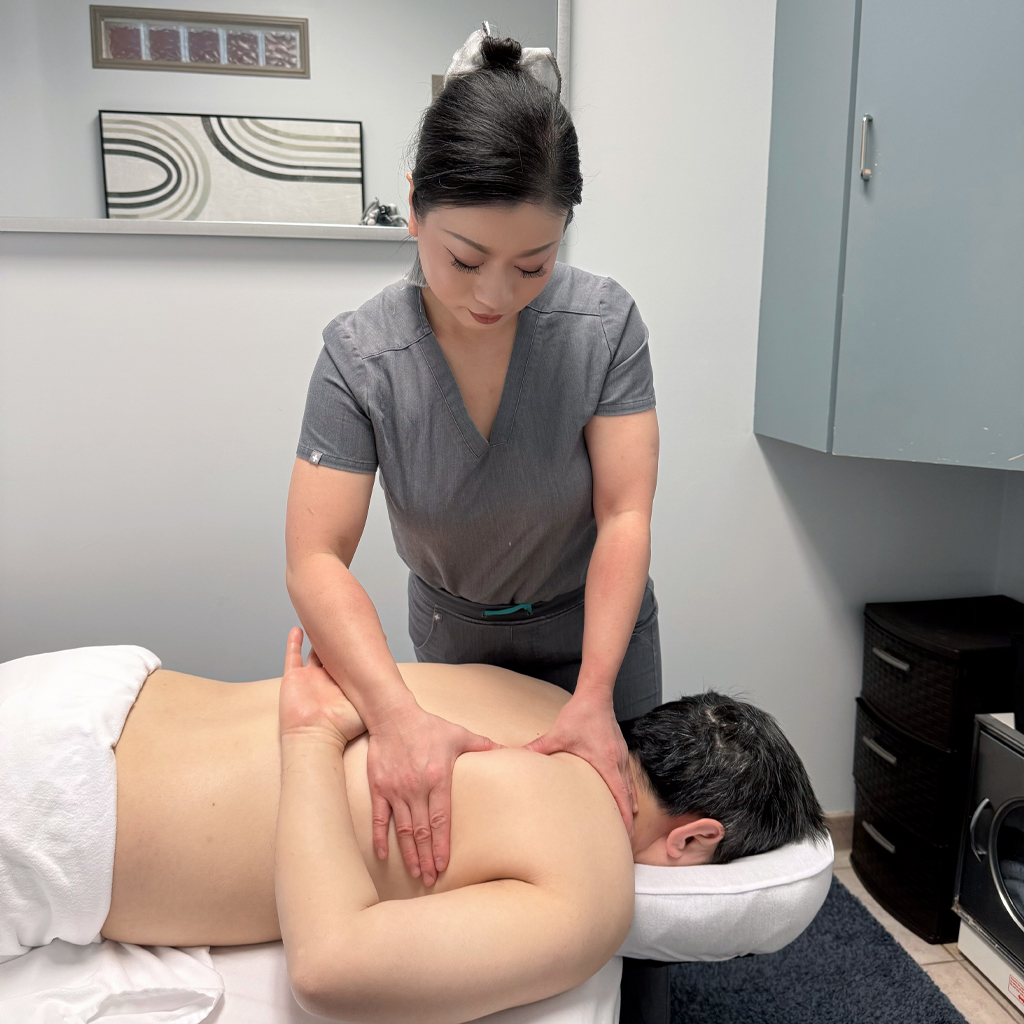
At Glorious Massage, massage therapy for lower back pain is designed to target the deeper muscle layers where tension often remains trapped. The goal is not only temporary comfort, but helping the body release muscular pressure naturally so movement becomes easier and daily activities feel less restricted. Many people seek treatment only when pain becomes severe, but early therapeutic care often prevents the discomfort from becoming a long-term issue.
Why Lower Back Pain Is So Common Today
The lower back supports a large portion of body weight and absorbs much of the physical stress generated through movement, posture, and repetitive daily tasks. Because of this, even small muscular imbalances can gradually create discomfort that worsens if left untreated.
Several common modern lifestyle habits contribute directly to lower back strain:
- Sitting for extended hours without posture support
- Working at computers for long periods
- Driving frequently
- Lifting objects incorrectly
- Lack of stretching
- Weak core muscles
- Standing for long periods
- Sleeping in poor positions
- Repetitive bending
- Stress-related muscle tightening
Many people do not immediately connect these habits to their pain because the tension builds slowly over weeks or months. By the time discomfort becomes noticeable, the surrounding muscles are often already tight and inflamed.
Types of Massage Techniques Used for Lower Back Pain
Every person experiences lower back pain differently, so the treatment approach is adjusted depending on whether the pain is caused by deep muscular tightness, general stiffness, or repeated daily strain.
Deep Tissue Massage
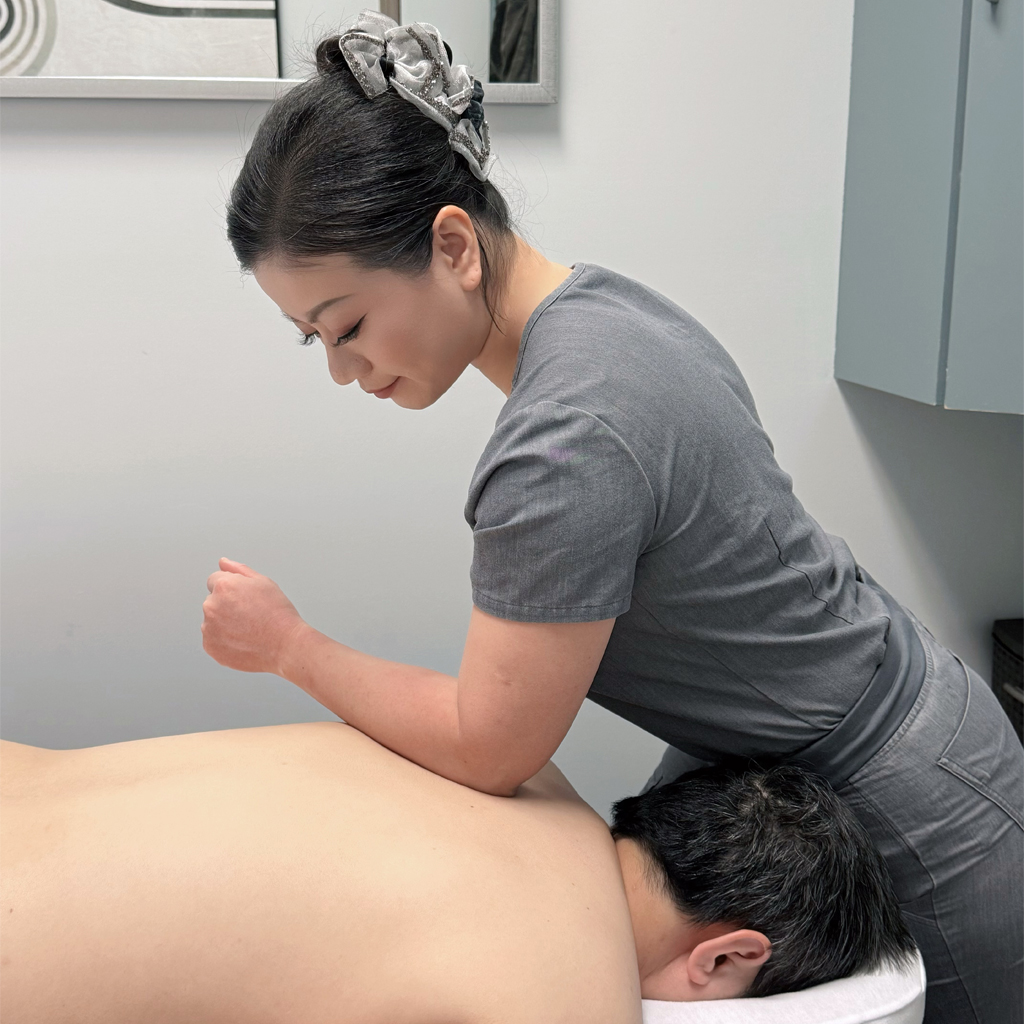
Deep tissue massage is often used when tension has built up deeply over time. Slow, controlled pressure helps release chronic tightness in deeper muscle layers that ordinary relaxation massage may not fully reach.
This technique is often helpful for:
- Chronic stiffness
- Long-term muscle tightness
- Office-related posture pain
- Exercise recovery
- Repetitive physical strain
Trigger Point Therapy
Trigger points are small areas of tight muscle fibers that can create pain spreading into nearby areas. Lower back trigger points often refer discomfort into the hips or upper legs.
Trigger point work helps release:
- Tight muscle knots
- Referred pain
- Localized tension
- Restricted movement
Therapeutic Massage
Therapeutic massage combines multiple techniques depending on how the muscles respond during treatment.
It is commonly chosen for:
- General lower back discomfort
- Moderate tension
- Stress-related tightness
- Regular maintenance care
How Massage Therapy Helps Lower Back Pain Naturally
Massage therapy works by improving circulation, releasing muscle tightness, and reducing soft tissue restrictions that limit movement. When muscles remain tense for long periods, blood flow decreases and the tissues become less flexible, which can increase pain and stiffness. Professional massage helps restore healthy circulation and encourages muscles to relax naturally.
Some of the most noticeable benefits clients often experience include:
- Reduced muscular tension
- Improved mobility
- Better flexibility
- Less stiffness in the morning
- Easier standing and walking
- Improved posture support
- Reduced muscle fatigue
- Increased comfort during daily movement
Massage also helps calm the nervous system, which is important because physical tension and mental stress often affect each other directly.
Common Areas Treated During Lower Back Massage
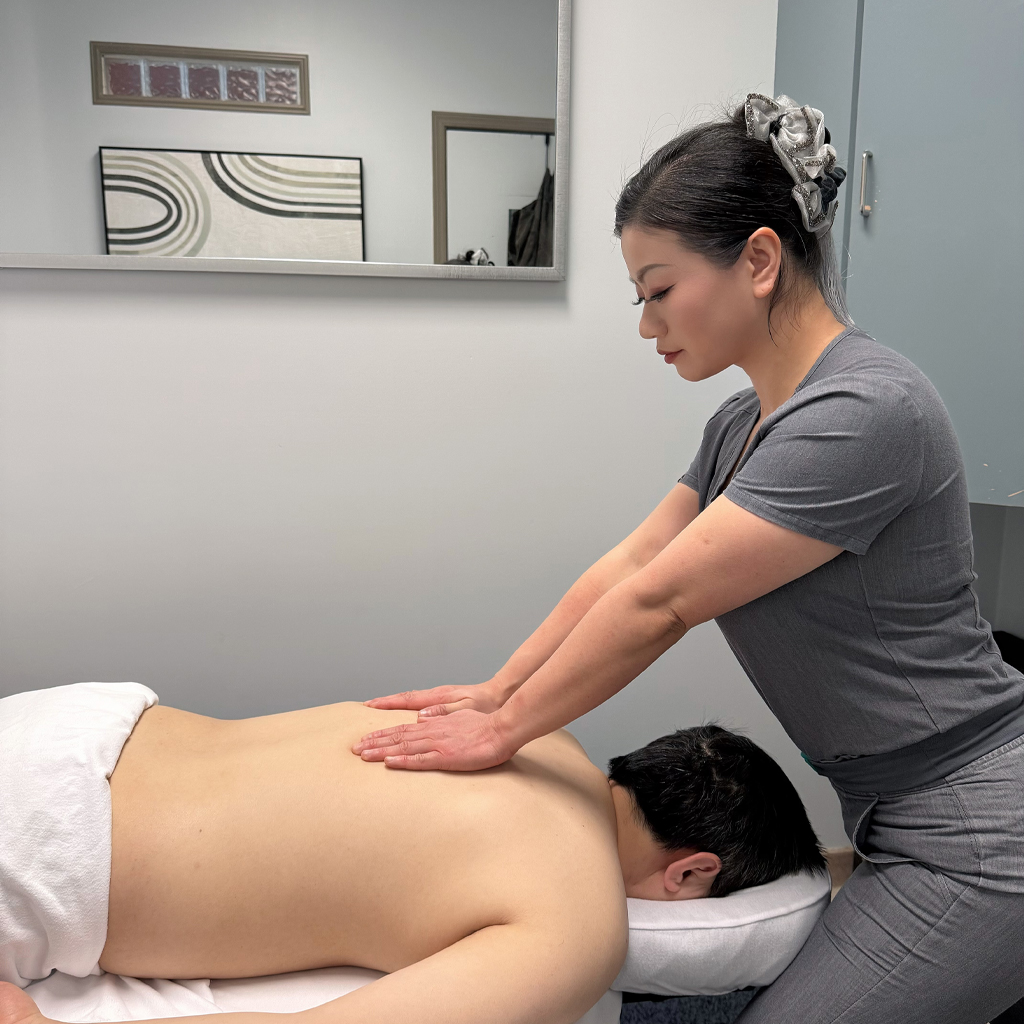
Lower back pain rarely comes from one isolated muscle. In many cases, surrounding muscle groups are contributing to the discomfort even when the pain feels centered in one area.
Treatment often includes attention to:
- Lumbar muscles
- Hip muscles
- Glute muscles
- Upper pelvic tension
- Side body muscle tightness
- Lower spinal support muscles
This wider treatment approach helps improve results because tension in nearby areas often pulls directly on the lower back.
Signs You May Benefit from Lower Back Massage Therapy
Many people delay treatment because they assume the pain will disappear on its own. However, certain signs suggest the muscles are already under enough strain to benefit from therapy.
Common signs include:
- Pain after sitting
- Stiffness after waking up
- Tightness when bending
- Pain after driving
- Lower back fatigue
- Discomfort after standing long periods
- Reduced flexibility
- Pain spreading into hips
If these symptoms appear regularly, massage therapy can often help before the condition becomes more persistent.
How Often Should Lower Back Massage Be Done?
The frequency depends on how long the discomfort has been present and how intense the symptoms are.
For active pain:
Weekly sessions may help initially
For regular maintenance:
Every two to four weeks is common
For prevention:
Monthly sessions often support long-term comfort
Consistency usually produces better long-term results than waiting until pain becomes severe.
Lower Back Pain and Daily Lifestyle Habits
Many lower back issues continue because the body is repeatedly exposed to the same strain every day. Even if treatment reduces tension, the muscles can tighten again when posture and movement patterns remain unchanged.
Important daily habits that influence lower back health include:
- Sitting posture
- Chair support
- Mattress quality
- Foot positioning while standing
- Lifting technique
- Walking frequency
- Stretching habits
- Hydration
Massage works best when these factors are also improved gradually.
Lower Back Pain and Stress Are Closely Connected
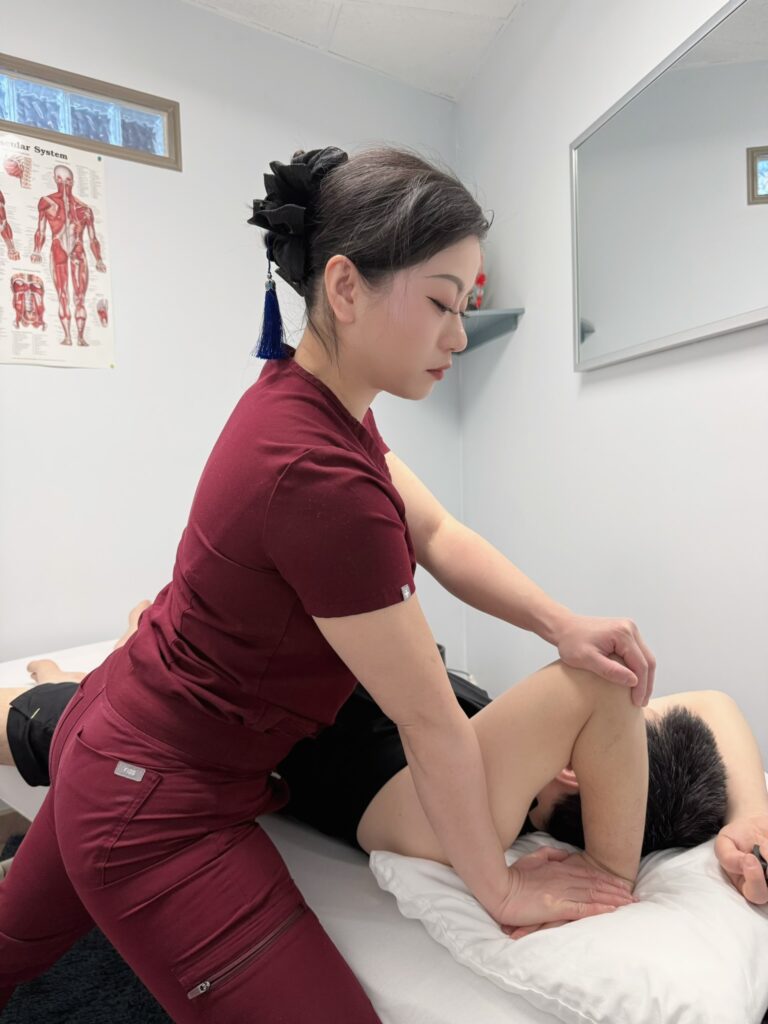
Stress does not only affect mood. It often causes unconscious muscle tightening throughout the body, especially in the shoulders, neck, and lower back. Many clients notice their lower back discomfort increases during stressful periods even without physical strain.
Massage helps by reducing both muscular tension and nervous system overload, allowing the body to relax more completely.
This often leads to:
- Easier breathing
- Reduced body tightness
- Better sleep quality
- Less physical fatigue
Why Many Clients Choose Glorious Massage for Lower Back Pain Relief
A professional lower back massage session should always adapt to how the body responds rather than applying the same pressure to every client.
Clients often appreciate:
- Personalized pressure levels
- Focused muscle treatment
- Calm environment
- Professional attention
- Natural relief approach
The goal is to improve comfort while helping the body function more naturally in daily life.
What Our Clients Say About Glorious Massage
EXCELLENTTrustindex verifies that the original source of the review is Google. Proffesional, kind, made me feel very comfortable for my first massage.Posted onTrustindex verifies that the original source of the review is Google. Extremely professional, asks about all prior injury/illness. Extremely delicate deep tissue, and amazingly knowledgeable. Gloria is very skilled at what she does. If you can handle pressure, she can really help relax deep deep knots. Highly recommend for people who don’t like weak massage therapists.Posted onTrustindex verifies that the original source of the review is Google. Best massage I have had in a long time. She has such strong hands, and skill, she knows exactly what to do. I suffer from migraines and the way she crushes my skull, it gives me pain freedom for a while. 100% worth it.Posted onTrustindex verifies that the original source of the review is Google. I've been seeing Gloria for years. She is the best at what she does. I love her prompt communication, fair pricing, and skill. I am always so impressed at her ability to find the right spaces, work them with the right pressure and release the tension from my body. She is always so organized and professional, and never shy at all. All the things I hurt weight lifting and playing hockey, she tackles with precision with no awkwardness or judgment. Direct billing, clean, soft linings. Gloria is beautiful. I cannot say enough great things about Gloria. I've really come to love and appreciate our visits. Thank you for all you do for me Gloria!Posted onTrustindex verifies that the original source of the review is Google. Gloria is fantastic, I needed someone with really good pressure and she really met those needs! Felt absolutely amazing on my back, and even was too much pressure for me on my legs so if you need a massage with hard pressure, I highly recommend!Posted onTrustindex verifies that the original source of the review is Google. Great Job Gloria, your skill is unmatched.Posted onTrustindex verifies that the original source of the review is Google. Well massage experience. profession skill to find my pain point and relief my back/ neck pain!Posted onTrustindex verifies that the original source of the review is Google. Absolutely the best
Lower Back Pain Massage FAQs
Can massage help if lower back pain is chronic?
Yes, especially when muscle tension is contributing to the discomfort. Chronic muscular tightness often responds well to consistent therapeutic care.
Is deep pressure always necessary?
No. Moderate pressure can often provide excellent results depending on sensitivity and muscle condition.
Can massage help lower back pain caused by sitting all day?
Yes. Office-related muscle tension is one of the most common reasons clients seek treatment.
How soon can results be noticed?
Many people feel improvement after the first session, while long-standing tension may require multiple visits.
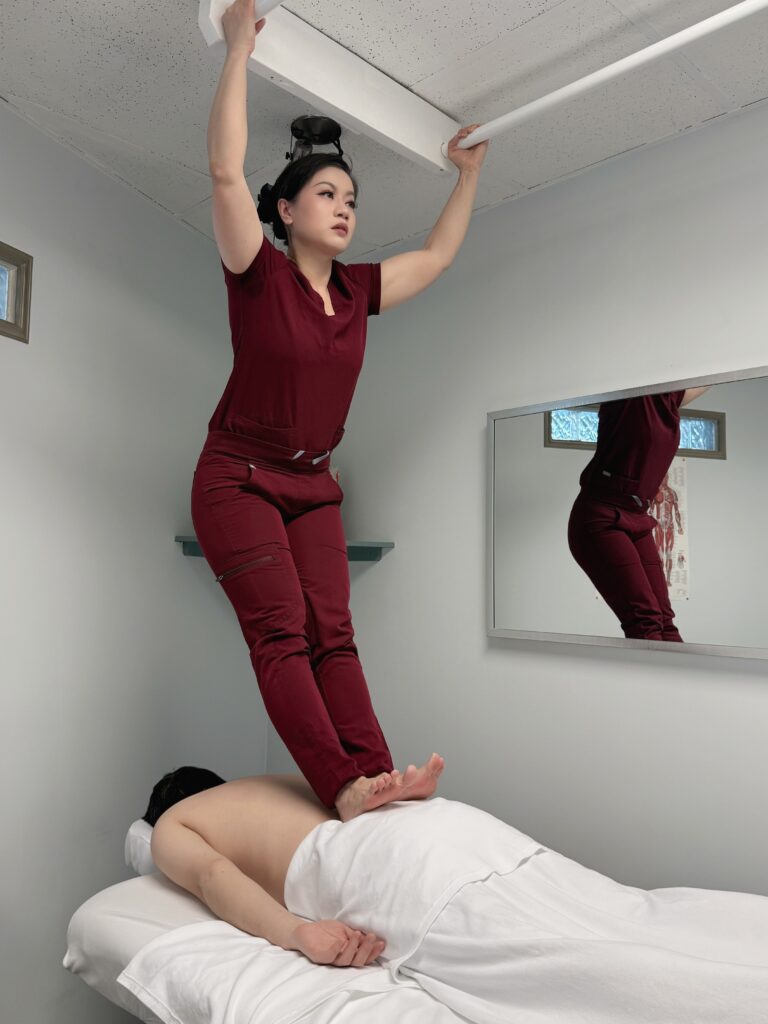
Book Professional Lower Back Pain Massage in Edmonton
If lower back discomfort is limiting your movement, affecting work, disturbing sleep, or creating daily tension, professional massage therapy can help release muscle pressure naturally and improve overall comfort.
Early treatment often helps prevent pain from becoming more persistent and allows the body to recover more efficiently.